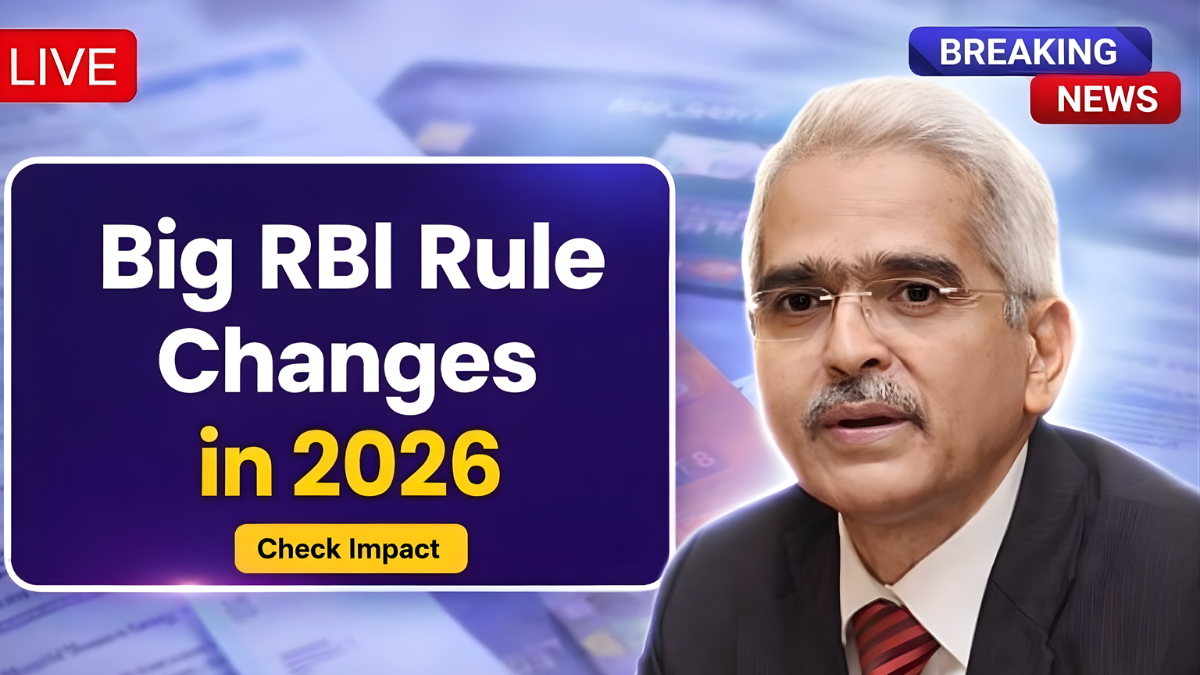
Big RBI Rule Changes in 2026: The Reserve Bank of India is preparing to reshape the banking and financial landscape once again. With “RBI new rules 2026” becoming a hot search topic, people across India are eager to understand what may change and how it could affect daily banking, loans, savings, and digital payments. While some rules are still in the proposal or rollout phase, the intent is clear: stronger security, more transparency, and better protection for customers. Let’s break it down in simple, easy-to-understand language.
Stronger Customer Protection
One major focus of RBI new rules 2026 is enhanced customer protection. Banks and NBFCs are expected to follow stricter grievance redressal timelines, ensuring complaints are resolved faster than before. Clear disclosure of charges, penalties, and interest rates will become more important, reducing confusion for account holders. For customers, this means fewer hidden surprises and a stronger voice when something goes wrong with a bank product or service.
Tighter Digital Banking Security
As digital banking grows, RBI is tightening cybersecurity norms. The new rules aim to reduce online fraud by strengthening authentication systems and monitoring suspicious transactions in real time. Banks may be required to invest more in advanced fraud detection tools and customer alerts. For users, this could mean safer UPI, mobile banking, and card transactions, even if it involves slightly stricter verification steps during payments or logins.
Loan Transparency Boost
RBI new rules 2026 are also expected to make loans more transparent and borrower-friendly. Lenders may have to clearly explain total loan costs, including processing fees and penalties, before approval. Prepayment and foreclosure charges could come under sharper scrutiny. This change is designed to help borrowers compare loans easily and avoid unpleasant surprises later, especially in personal loans, home loans, and digital lending platforms.
Credit Reporting Improvements
Another important area is credit reporting and credit scores. RBI is pushing for more accurate and timely reporting by lenders to credit bureaus. Delays or errors in updating repayment data may invite penalties. For consumers, this could result in fairer credit scores that truly reflect financial behavior. Over time, responsible borrowers may find it easier to access loans at better interest rates.
Digital Lending Control
Digital lending apps have grown rapidly, and RBI is keen to regulate them more strictly. Under the 2026 framework, lending apps may need clearer RBI authorization, proper data privacy safeguards, and transparent recovery practices. This move aims to protect borrowers from harassment and misuse of personal data. Legitimate apps will benefit from higher trust, while risky operators may be forced out of the market.
Banking Compliance Push
Compliance is another key pillar of RBI new rules 2026. Banks could face stricter audits, stronger risk management standards, and closer monitoring by regulators. This may not be directly visible to customers, but it strengthens the overall banking system. A more compliant banking sector reduces the risk of failures, protects deposits, and builds long-term financial stability for the economy.
Focus On Financial Inclusion
RBI continues to prioritize financial inclusion under the new rules. Banks may be encouraged to expand basic banking services in rural and semi-urban areas using digital tools. Simplified KYC processes and low-cost accounts could help bring more people into the formal financial system. This supports economic growth while ensuring that banking benefits reach every section of society.
Impact On Everyday Banking
For the average customer, RBI new rules 2026 may mean clearer communication, safer transactions, and better service standards. Some processes could feel more detailed or regulated, but the trade-off is improved security and transparency. Over time, these changes are expected to make banking more reliable and customer-centric, rather than complicated or intimidating.
Conclusion
The RBI new rules 2026 signal a strong push toward safer, fairer, and more transparent banking in India. While some changes may take time to fully implement, the long-term benefits are clear: better protection for customers, stronger digital security, and a more stable financial system. Staying informed about these updates will help individuals and businesses adapt smoothly and make smarter financial decisions in the years ahead.